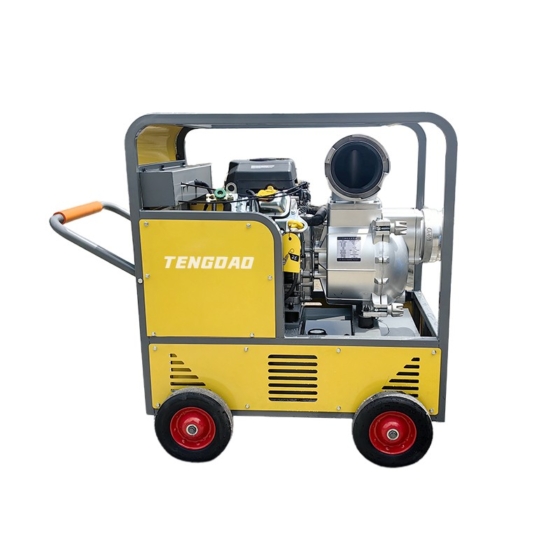
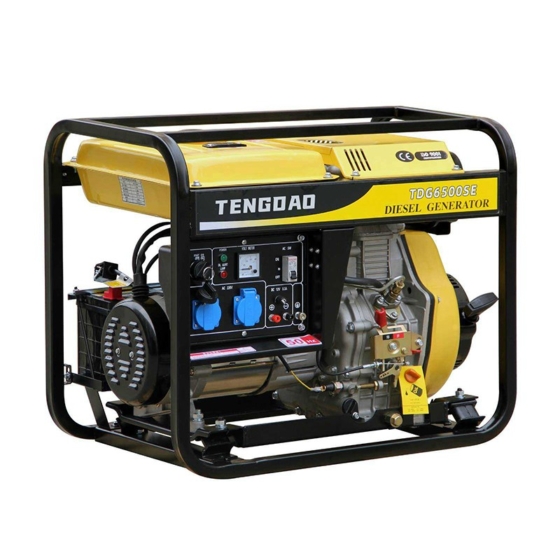
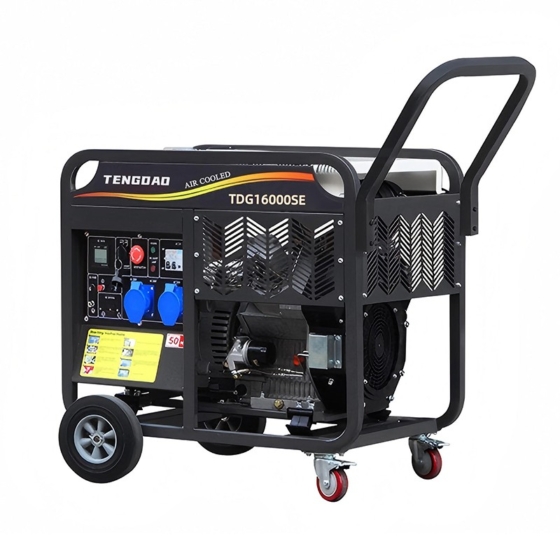
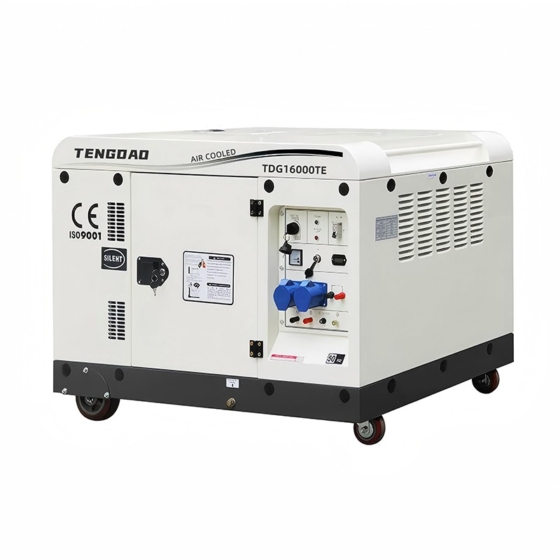
 パンプス,発電 機,灯台,油圧ステーション-TENGDAO



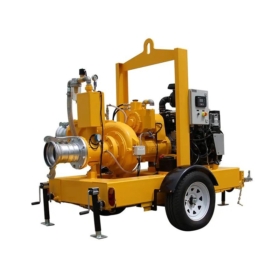
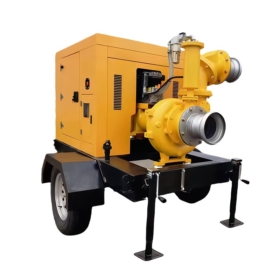
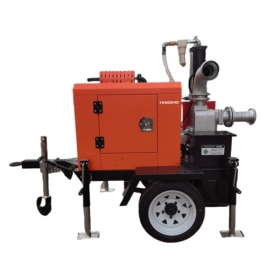
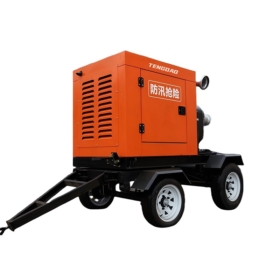
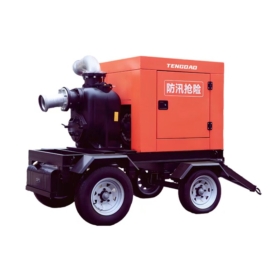
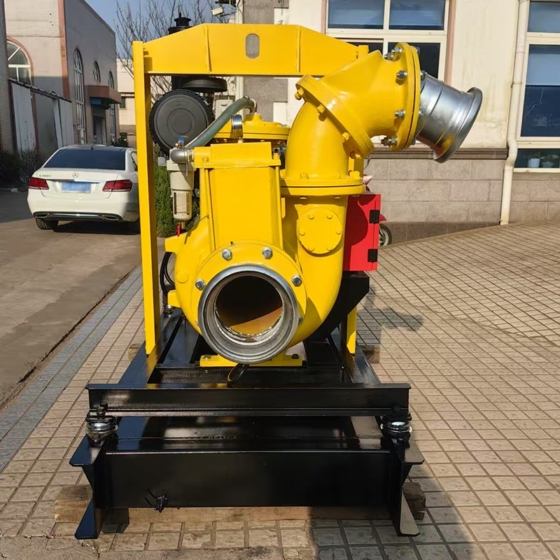
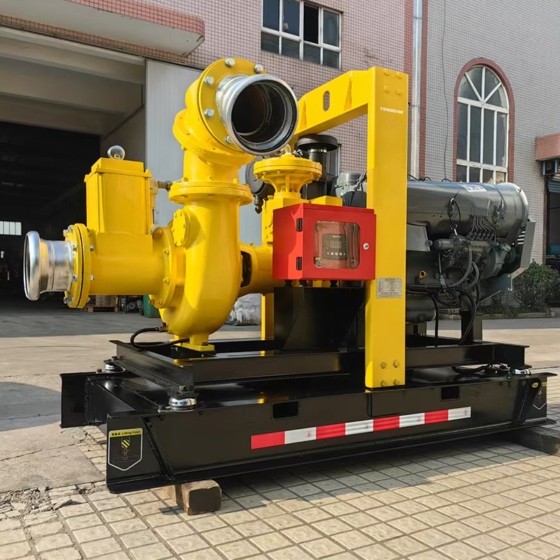
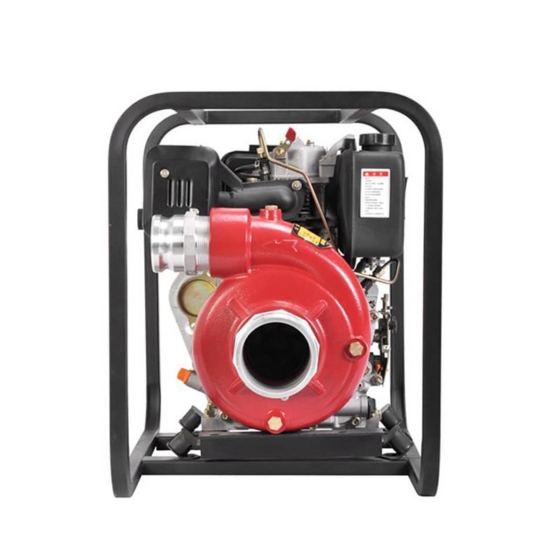
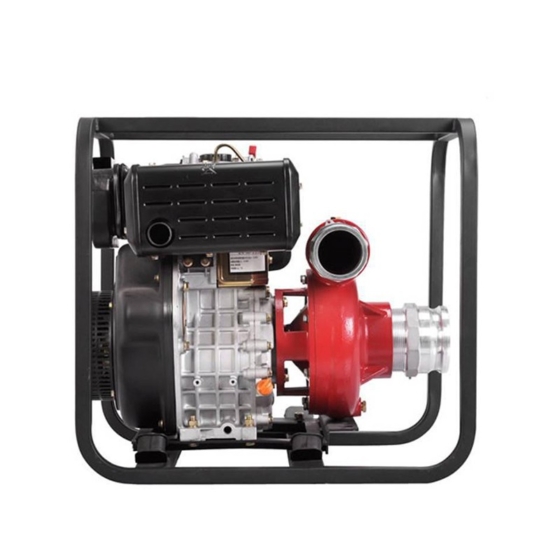
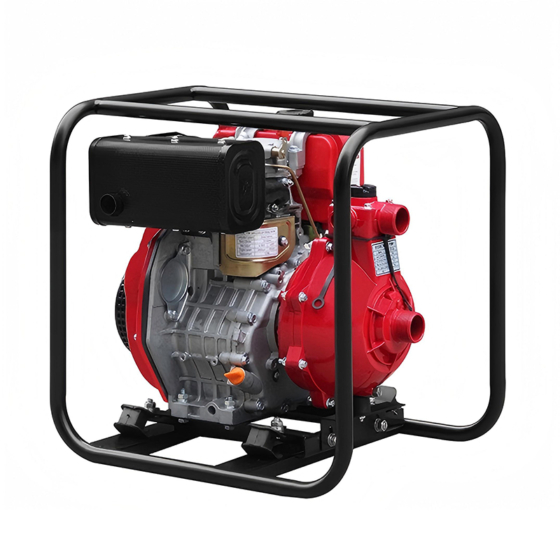
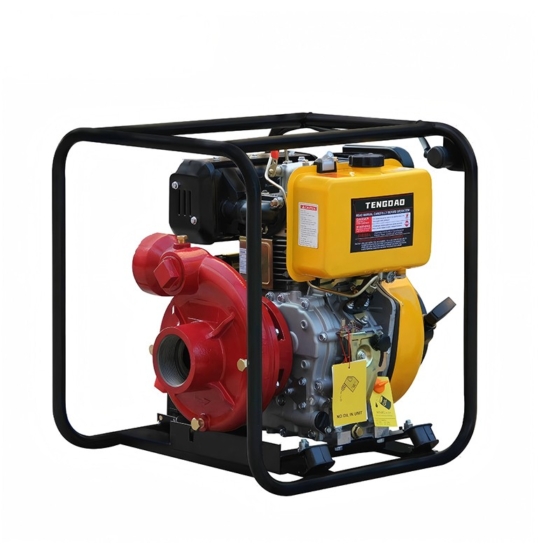
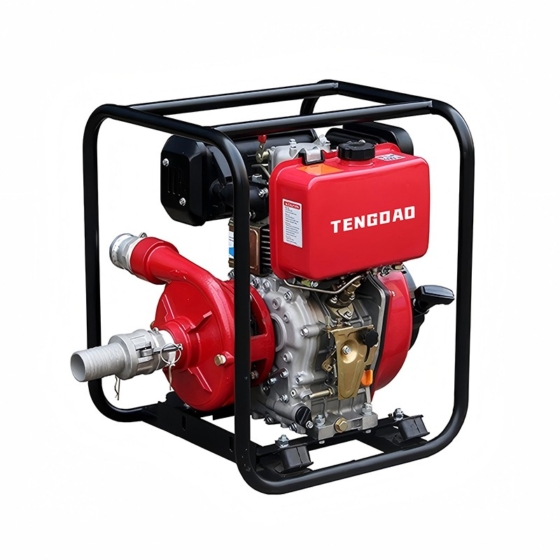
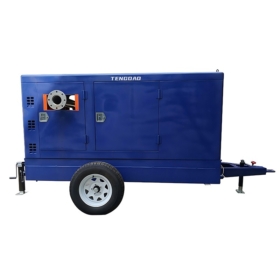
私たちがこれまでに作ったディーゼルエンジン駆動のポンプの中には、以下のようなものがあります
(お客様のニーズに合わせてカスタマイズ可能)
 |
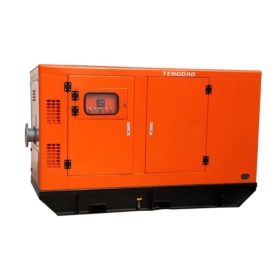 |
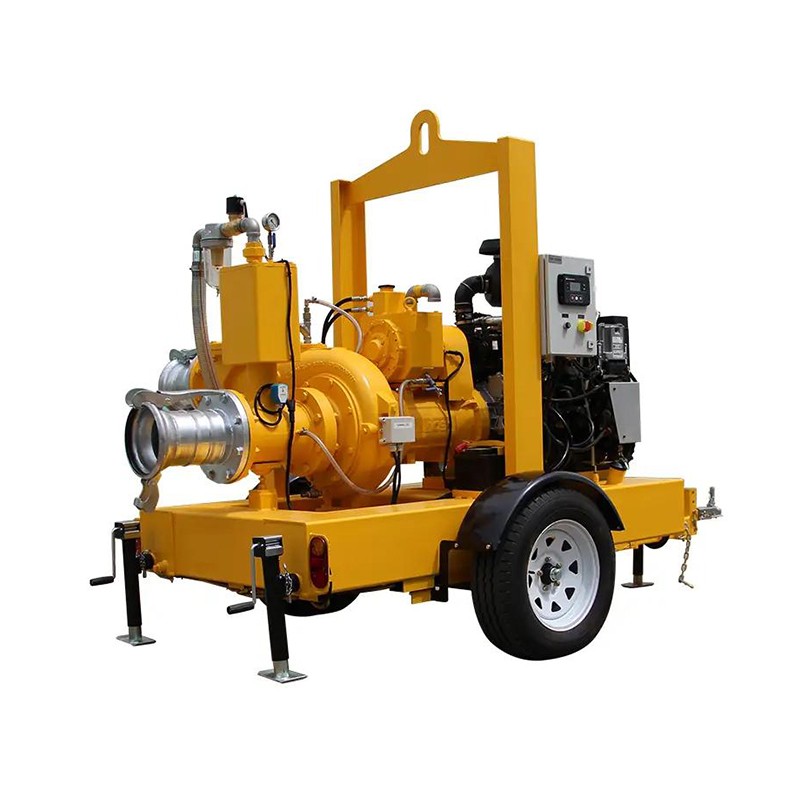 |
| スキッド搭載ディーゼルエンジン駆動ポンプ | クローズドディーゼルエンジン駆動ポンプ | オープントレーラーディーゼル駆動ポンプ |
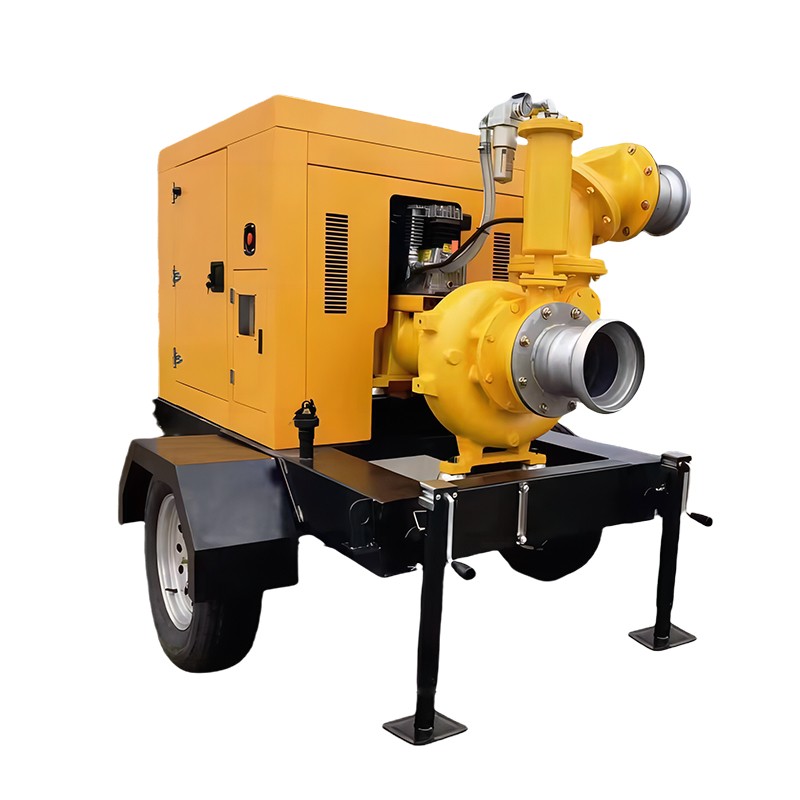 |
 |
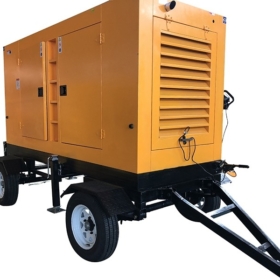 |
| ディーゼルエンジン駆動ポンプルーフ付きトレーラー | クローズドトレーラーディーゼルエンジン駆動ポンプ (で 2 車輪) | クローズドトレーラーディーゼルエンジン駆動ポンプ (で 4 車輪) |
Understanding the Working Principle of Vacuum Self-Priming Pumps
Vacuum self-priming pumps are essential devices in various industrial and municipal applications for efficiently moving fluids, especially in sewage and wastewater management. This article provides a detailed examination of the working principles of different types of vacuum self-priming pumps, specifically focusing on those equipped with auxiliary vacuum systems and the combination-type vacuum self-priming pumps.
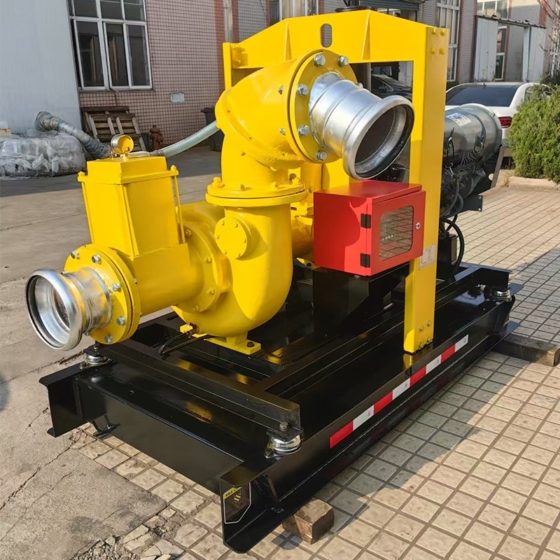 Types of Vacuum Self-Priming Pumps
1. **Self-Priming Sewage Pumps with Auxiliary Vacuum Systems**
These pumps can be categorized into two main structures:
– **Turbo-Synchronous Self-Priming Pumps:** These pumps operate at high speeds, generating significant heat due to the rapid rotation of the turbine. This heat can affect the performance and longevity of the pump.
– **Self-Priming Sewage Pumps with Auxiliary Vacuum Systems:** These systems utilize an additional vacuum mechanism to enhance self-priming capabilities.
2. **Combination-Type Vacuum Self-Priming Sewage Pumps**
This category includes two structural designs:
– **Integrated Self-Priming Pumps with Clutch Mechanisms:** These pumps combine a centrifugal pump with an electromagnetic clutch and air intake/exhaust mechanisms.
– **Combination Self-Priming Pumps with Vacuum Impellers:** These pumps integrate a horizontal centrifugal pump with a water ring vacuum pump.
Detailed Analysis of Pump Types
1. **Diesel engine Vacuum Self-Priming Sewage Pumps**
These pumps consist of several components, including an electric diaphragm pump, a centrifugal pump, connecting pipelines, and a control system. The working principle involves the following steps:
– Upon powering the diaphragm pump, a vacuum is created in the inlet pipeline and pump chamber.
– Atmospheric pressure forces the medium into the pump chamber.
– The centrifugal pump motor then operates to facilitate self-priming and fluid lifting.
2. **Integrated Self-Priming Sewage Pumps with Clutch Mechanisms**
This type of pump comprises a centrifugal pump combined with an electromagnetic clutch and an air intake/exhaust mechanism. The operational process is as follows: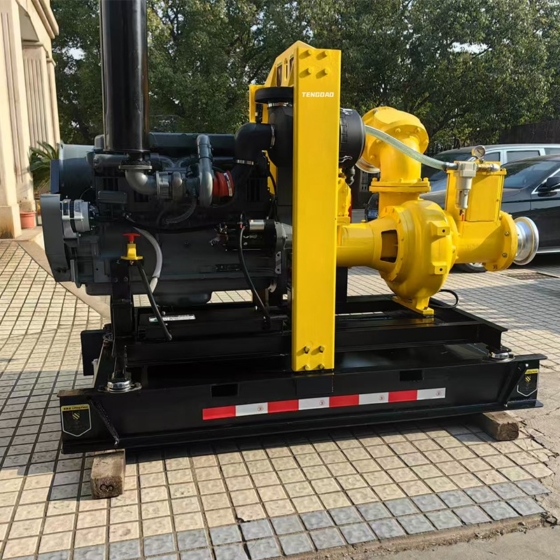
– An eccentric gear connected to the bearing housing expels air from the inlet pipeline, achieving self-priming.
– Once the control system detects that the medium has entered the pump body, it disengages the clutch, allowing the centrifugal pump to function normally.
3. **Combination Self-Priming Sewage Pumps**
This type features a horizontal centrifugal pump paired with a water ring vacuum pump. The operational mechanism includes:
– A vacuum chamber positioned behind the centrifugal pump cover, with the vacuum impeller aligned coaxially with the centrifugal pump impeller.
– The pump uses an external flushing water source, which does not require high pressure—ordinary tap water suffices.
The operational steps are:
– The flushing water enters the vacuum chamber through the mechanical seal wash port.
– Once the pump chamber is full, the pressure inside becomes greater than that of the flushing water, closing a one-way valve and ceasing the use of flushing water.
**Advantages:**
– 簡単な構造と低コスト.
– 液体のプライミング不要, 迅速な自己プライミング能力, 最大自己プライミング深さ 8 メートル.
結論
まとめ, vacuum self-priming pumps are vital for efficiently handling wastewater and sewage applications. さまざまな種類とその作動原理を理解することで、特定の運転条件やニーズに応じたより適切な選択が可能になります. Each type has its unique advantages and drawbacks, which should be carefully considered when choosing a pump for particular tasks.