 パンプス,発電 機,灯台,油圧ステーション-TENGDAO


ソーラー水ポンプ: 開発途上国の水不足に対する持続可能な解決策
In many developing countries, the struggle for reliable access to water is a pressing issue that affects agricultural productivity, food security, and overall community well-being. As the World Bank reports, over 70% of fresh water globally is utilized for agricultural purposes, a figure that escalates to 80-90% in developing regions. With more than 60% of the world’s population relying on agriculture for their livelihoods, the absence of dependable irrigation systems can lead to crop failures and, consequently, severe socio-economic repercussions. In this context, solar-powered water pumps emerge as a transformative solution, harnessing the sun’s energy to provide sustainable access to water for irrigation and other essential uses.
Understanding Solar-Powered Water Pumps
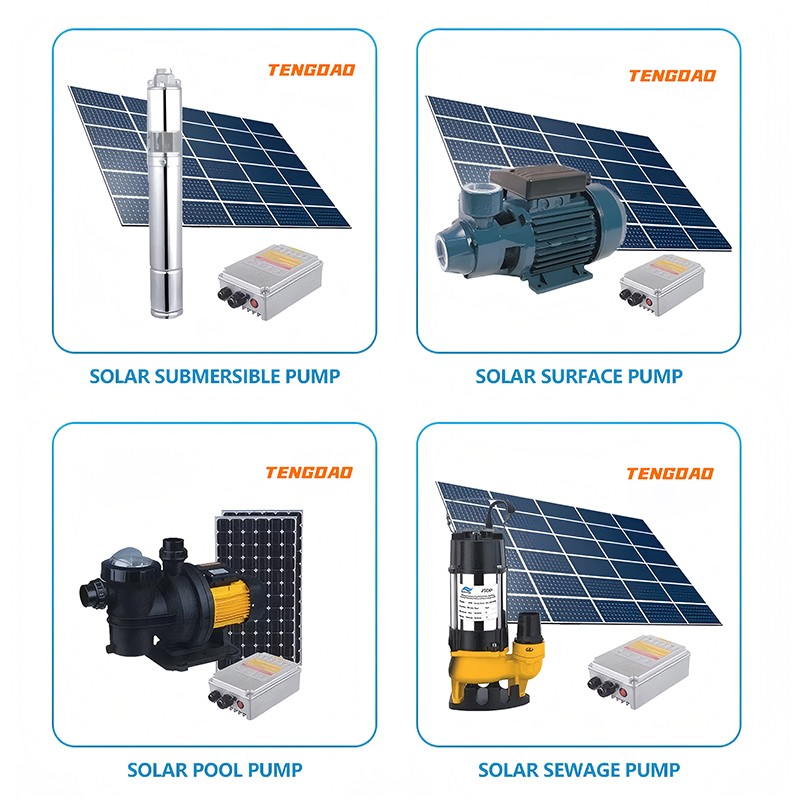
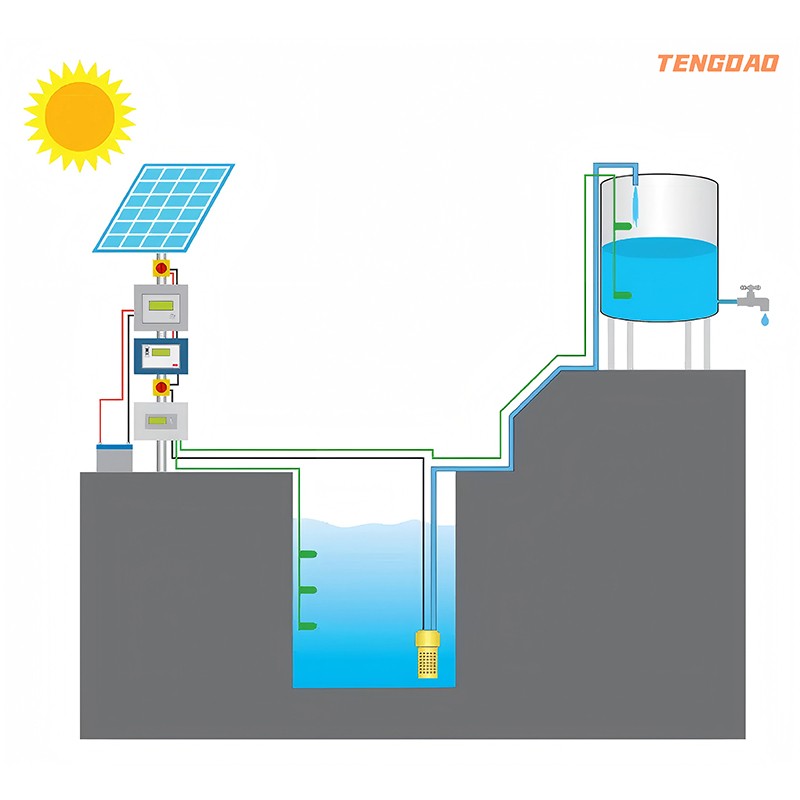
 Solar-powered water pumps operate by converting sunlight into electricity, which is then used to power water pumps that extract water from various sources, including underground aquifers or surface water bodies. The fundamental components of a solar-powered water pump system include solar panels, a water pump motor, an inverter, pipes, a water tank, and pump controllers.
1. **Solar Panels**: The heart of the system, solar panels, also known as photovoltaic (PV) systems, are responsible for capturing sunlight. They contain solar cells that absorb photons and convert them into direct current (直流) 電気. If the water pump motor requires alternating current (交流), an inverter is employed to convert the DC electricity into AC.
2. **Water Pump Motor**: This motor is crucial for drawing water from its source and can be designed for various applications, from agricultural irrigation to household water supply.
3. **Inverter**: The inverter plays a pivotal role in ensuring that the electricity produced by the solar panels is compatible with the water pump motor, converting DC into AC as necessary.
4. **Pipes**: These convey the extracted water from the source to its intended destination, whether that is a purification system, a storage tank, or directly to the fields for irrigation.
5. **Water Tank**: A water tank is often included in the system to store water, ensuring that a supply is available even when sunlight is not available.
6. **Pump Controllers**: These devices regulate the operation of the water pump, allowing for efficient management of water extraction and protecting the system from damage due to electrical irregularities or dry running conditions.

The Benefits of Solar-Powered Water Pumps
Solar-powered water pumps offer numerous advantages that can significantly enhance the livelihoods of communities in developing countries. These benefits include: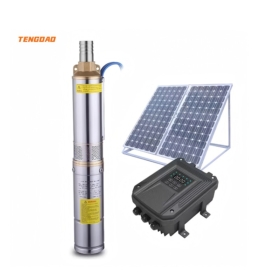
1. **Economical Operation**: The initial investment required for solar-powered water pumps has decreased dramatically over the years, primarily due to the plummeting costs of photovoltaic panels. Once installed, these systems incur low operating expenses since they rely on sunlight as a free energy source, eliminating the need for costly fuel. Over time, the savings on fuel costs can far outweigh the initial setup expenses.
2. **Sustainability and Environmental Friendliness**: Solar energy is a renewable resource, meaning it is naturally replenished and does not deplete over time. Unlike fossil fuels, solar energy production does not emit harmful toxins during operation, よりクリーンな環境への貢献. While there are some greenhouse gas emissions associated with the manufacturing of solar panels, these are minimal compared to the emissions from traditional energy sources.
 3. **Increased Agricultural Productivity**: By providing a reliable source of water, solar-powered pumps enable farmers to irrigate their crops even during dry spells. This reliability can lead to increased crop yields and the possibility of multiple harvests per year, enhancing food security and improving the economic stability of farming communities.
4. **Empowerment of Communities**: Access to reliable irrigation can empower local communities by reducing their dependence on erratic rainfall patterns. This independence fosters resilience against climate variability and enhances the community’s capacity to manage their water resources effectively.
5. **健康と衛生の向上**: 清潔な水への信頼できるアクセスは、健康と衛生基準を維持するために不可欠です. 太陽光発電の水ポンプは、安全な飲料水や衛生目的の水へのアクセスを容易にします, 水系感染症の発生率を減少させ、全体的な公衆衛生の成果を向上させます.
6. **雇用創出と経済発展**: 太陽光発電の水ポンプシステムの設置, 維持管理, および運用は、地域コミュニティ内での雇用機会を生み出すことができます. この側面は地域経済を活性化し、貧困緩和に貢献する可能性があります.
結論
太陽光発電の水ポンプは、開発途上国における水不足の課題に対処する上で重要な進歩を示しています. 太陽の豊富なエネルギーを活用することにより, これらのシステムは持続可能で, 経済的です, 灌漑と水供給のための環境に優しいソリューション. 世界が気候変動と人口増加の影響に取り組み続ける中で, 太陽光発電の水ポンプの導入は、食料安全保障の向上に重要な役割を果たすことができる, 地域社会の健康の改善に役立つ, 経済発展を促進する. 水管理のための太陽光技術への投資は、当面のニーズに応えるだけでなく、世界中の地域社会にとってより回復力があり持続可能な未来への基盤を築く.